

Organisational Culture Meaning, Definition, Characteristics, Elements of
Organisational Culture refers to the essence or traits of the organisation. It signifies the unofficial aspects of the organisation instead of its professional aspects.
Organisational Culture refers to the essence or traits of the organisation. It signifies the unofficial aspects of the organisation instead of its professional aspects.

By implementing the techniques of organisational development, organizations can enhance their overall performance, adapt to changing environments, and foster a positive work culture.
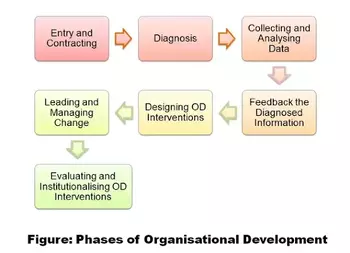
The organisational development process is a systematic, research-based series of steps that helps organisations improve their performance.

Organizational development is a body of practice and knowledge that improves organisational performance and personal development. It views the organisation as a complex system of systems within a larger system, each of which has its own quality, responsibility and degrees of alignment.

Resistance to change is a concept that represents a person’s or group’s psychological tendency to maintain and protect the status quo. It is human nature for people to resist change.
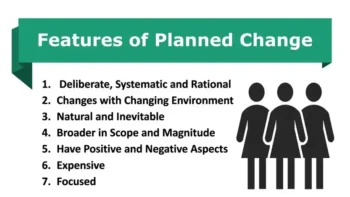
Planned change encompasses the application of systematic and appropriate knowledge to human affairs to create intelligent action and choices.


